

What are the best conservatory roof designs for optimal temperature control in warmer weather?
News
Introduction to conservatory roof temperature control
If you’ve ever stepped into your conservatory on a hot July afternoon and felt like you’ve walked into a greenhouse, you’ll know just how important conservatory roof temperature control really is. The design of your roof has a huge impact on how much heat builds up during the warmer months, and getting it right can completely transform how you use the space.
It’s not just about staying cool, either. A well-designed conservatory roof plays a key role in creating energy-efficient conservatories that support overall home comfort improvement. According to the Energy Saving Trust, improving insulation and glazing can significantly cut heat loss and reduce energy demand in UK homes. In summer, the right setup also helps manage heat gain, meaning less reliance on fans or air conditioning and more consistent comfort for you and your family.
Types of conservatory roof designs
When it comes to conservatory roof systems, there are several popular options to consider, each offering different benefits for summer heat management.
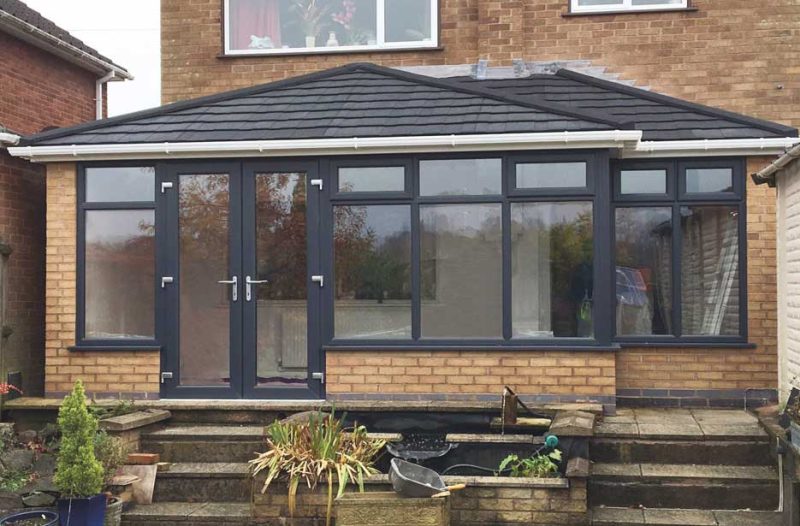
Tiled roofs have become a firm favourite across South Yorkshire, and it’s easy to see why. Solid, insulated conservatory roofs are brilliant at limiting solar gain, helping to keep your conservatory cooler in summer and warmer in winter. They also create a more “room-like” feel, turning your conservatory into a true extension of your home rather than a seasonal space.
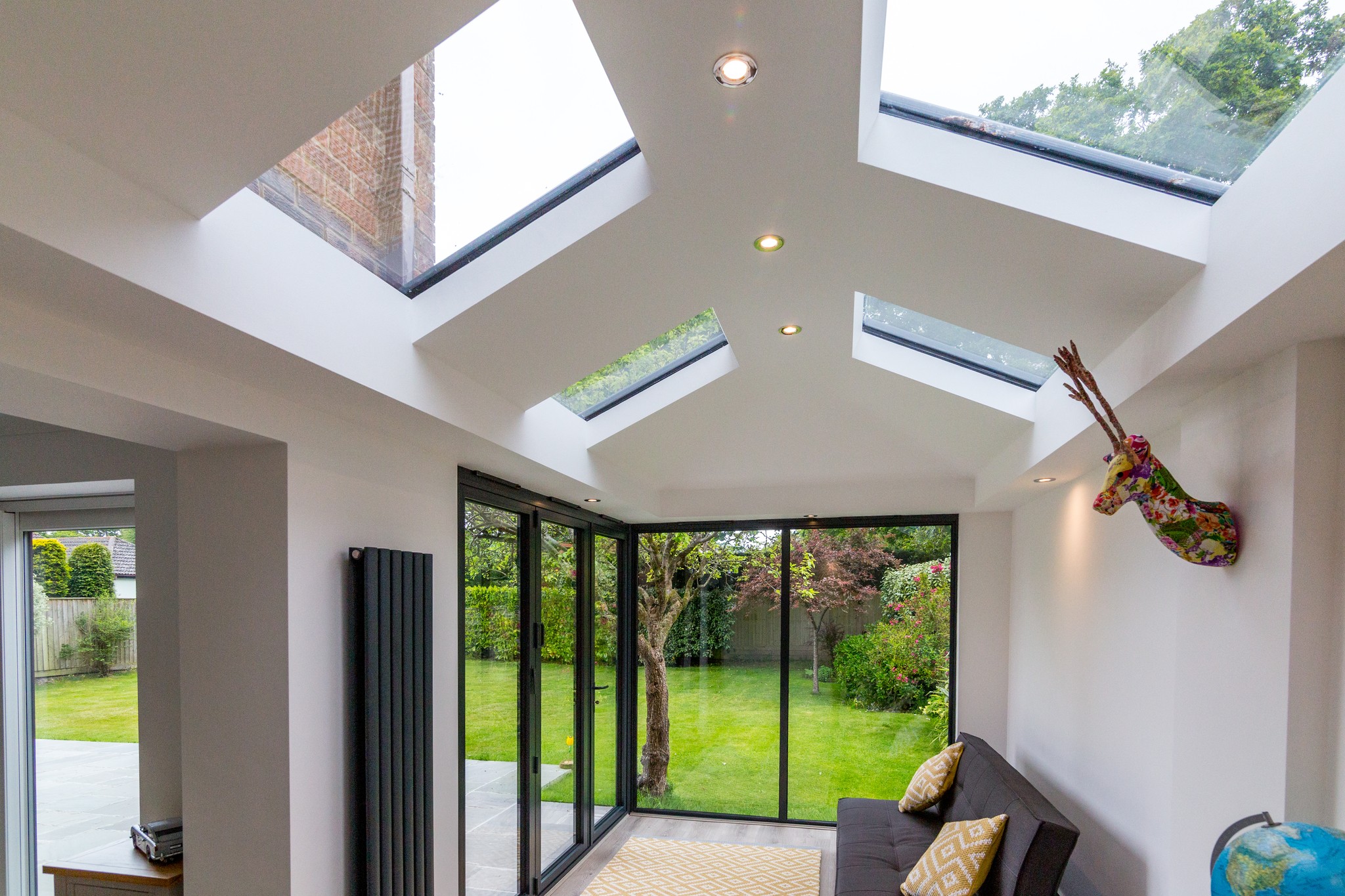
Lantern roofs strike a lovely balance between light and performance. With modern roof designs that incorporate high-performance glazing and thermally efficient frames, you can enjoy plenty of natural light while still maintaining effective conservatory roof temperature control. When specified correctly, they reduce excessive heat build-up without compromising on style.
Traditional glass roofs remain a popular choice for those wanting uninterrupted garden views and stylish conservatory ideas. However, the glazing specification is crucial. Performance glass with solar control coatings can reflect a significant proportion of the sun’s heat, making glass roofs far more practical than older versions. Choosing the right combination of materials and glazing is what makes all the difference in temperature regulation techniques.
Impact of insulation on temperature regulation
Insulation is the unsung hero of temperature control solutions. Without proper insulation, even the most attractive conservatory design options can struggle to maintain a comfortable indoor climate.
Insulated conservatory roofs reduce the amount of heat that enters during summer and escapes during winter. This stabilises the internal temperature, preventing those dramatic swings that make conservatories unusable for parts of the year.
Glazing also plays a huge role. Double glazing benefits include improved thermal performance compared to single glazing, helping to limit heat transfer. Triple glazing advantages go a step further, offering even greater insulation and noise reduction. The Energy Saving Trust highlights that high-performance glazing can significantly reduce unwanted heat gain and loss, contributing to reducing energy costs over time. For many homeowners, upgrading glazing is one of the most effective eco-friendly home improvements available.
Benefits of effective temperature control
When conservatory roof temperature control is properly addressed, the benefits are immediate and long-lasting. First and foremost, you’re less reliant on portable air conditioning units or electric fans, which can be expensive to run. Lower energy usage means lower bills — something we can all appreciate.
Just as importantly, your conservatory becomes a space you actually want to use throughout the summer. Whether it’s a playroom for the kids, a quiet garden room enhancement for relaxing with a book, or a bright dining area for family get-togethers, improved comfort leads to increased everyday use. And that’s what it’s all about — making the most of the space you’ve invested in.
Enhancing comfort with additional features
Beyond the roof itself, there are practical conservatory usage tips that can further improve comfort. Shading solutions such as fitted blinds, roof blinds, or external canopies help block direct sunlight during the hottest parts of the day. These additions are simple but highly effective for summer heat management.
Airflow and ventilation are equally important. Opening windows positioned to encourage cross-breezes, trickle vents, and roof vents can all help hot air escape and cooler air circulate. In some cases, integrating mechanical ventilation provides even more consistent results. Combining these features with sustainable materials and modern glazing creates a well-rounded approach to home comfort improvement.
Conclusion
Choosing the right roof isn’t just about looks — it’s about creating a conservatory that works for you all year round. From tiled systems to high-performance glazing, every design decision plays a part in effective conservatory roof temperature control and long-term energy efficiency.
Here at D&I Home Improvements, we’ve been helping homeowners across Barnsley, Sheffield, Rotherham, Doncaster and beyond find tailored solutions for years. With over 50 years of combined experience, trusted accreditations, and a real commitment to quality service, we’ll guide you through your options with honest, expert conservatory advice.
After all, what’s the point in having a beautiful conservatory if it’s too hot to enjoy in summer? If you’re thinking about upgrading your roof or exploring modern, energy-efficient conservatories, give us a call or get in touch with us online — we look forward to hearing from you and helping you create a space that feels just right.